


Secador de mãos Interhasa modelo 3800
Design elegante com potência confiável, ideal para espaços comerciais movimentados.
Explorar produtoMeet Us at 140th Canton Fair! Phase 1 Booth:3.1M31 I Phase 2 Booth:10.1 I33-34

Choose hand dryer repair when a fault is isolated, safe to diagnose, and economical to fix with available parts. Replace the unit when electrical damage, repeated breakdowns, poor performance, or discontinued components make service unreliable.
Comparison of labor costs, parts, downtime, energy consumption, and remaining life expectancy must be made. Analyze the frequency of failure, component availability, and estimated downtime before giving the green light for further repairs. Compare the total cost of repair and installed replacement costs, including purchasing, installation, and disposition of equipment. Models that can be found by Interhasa include the 3890 model e 3800 model for comparison purposes.
Describe the symptom of the failure, such as no operation, occasional operation, reduced airflow, strange noises, or heating problems. Hand dryer troubleshooting shall be based on the manual, and information gathered before ordering the parts.
A dirty sensor, blocked intake, or loose connection may be serviceable; breaker trips, burning smells, damaged wiring, or a cracked housing require removal from service. Check the supply, sensor, and airflow path before condemning the motor.

Isolate power before opening the housing and follow the site’s electrical safety procedure; a wall switch alone may not provide safe isolation. For US workplaces, OSHA explains hazardous-energy controls in its lockout/tagout guidance; follow the applicable local rules at other sites.
Check for heat damage, moisture, exposed conductors, loose mounting, and breaker trips. Refer internal wiring or protection faults to a qualified technician, never attempt a live test.
The cost of hand dryer repair is only part of the decision. Include diagnostic labor, hand dryer parts, travel, repeat visits, downtime, and likely follow-on failures.
Compare the repair total with the installed replacement total, including purchase, installation, disposal, and any electrical or wall modifications. Assess both options over the same planning period, accounting for expected downtime and remaining service life rather than choosing solely by the lowest immediate quote.

An older unit may run but deliver weak airflow, long drying times, or disruptive noise. Compare measured performance and power data; estimate usage and local electricity costs before assuming a newer unit saves money.
If complaints continue after routine hand dryer maintenance, check whether the design suits current traffic and cleaning conditions. Replacement is more reasonable when the unit no longer meets operational needs or recurring downtime affects guests and staff.
Confirm part numbers, availability, lead time, warranty, and approved substitutes for the exact model. A discontinued sensor or control board can keep a repairable unit out of service.
For multiple dryers, standardizing models simplifies training, spare stock, and service calls. Log the fault date, symptom, repair action, part used, and downtime to identify recurring failures across locations.
| Condition | Preferred action | Reason |
|---|---|---|
| Dirty sensor or blocked intake | Clean and retest per manual | Low-cost issue if no damage is present |
| One replaceable component fails | Compare repair quote with remaining life | Repair may restore reliable service |
| Burnt wiring, water damage, or repeated trips | Isolate and obtain qualified assessment | Safety takes priority over cost |
| Repeated failures or obsolete parts | Evaluate replacement | Downtime and repeat labor may outweigh repair |
| Poor drying for current traffic | Compare suitable current models | Existing unit may no longer meet demand |
Use the matrix to screen options, not replace an inspection. Before approval, record the repair estimate, expected service life after repair, parts lead time, and full installation cost for a new unit.
Request a parts list, service manual, warranty terms, and procedures for replacing sensors, motors, filters, and controls. Confirm critical components are stocked and approved replacements are identifiable; generic parts may not fit or operate safely.
Ask about cleaning access, mounting compatibility, noise, rated power, and local electrical requirements. For a new unit, include removal, wall repairs, connection, testing, and staff handover in the project scope to avoid hidden costs.
Design elegante com potência confiável, ideal para espaços comerciais movimentados.
Explorar produto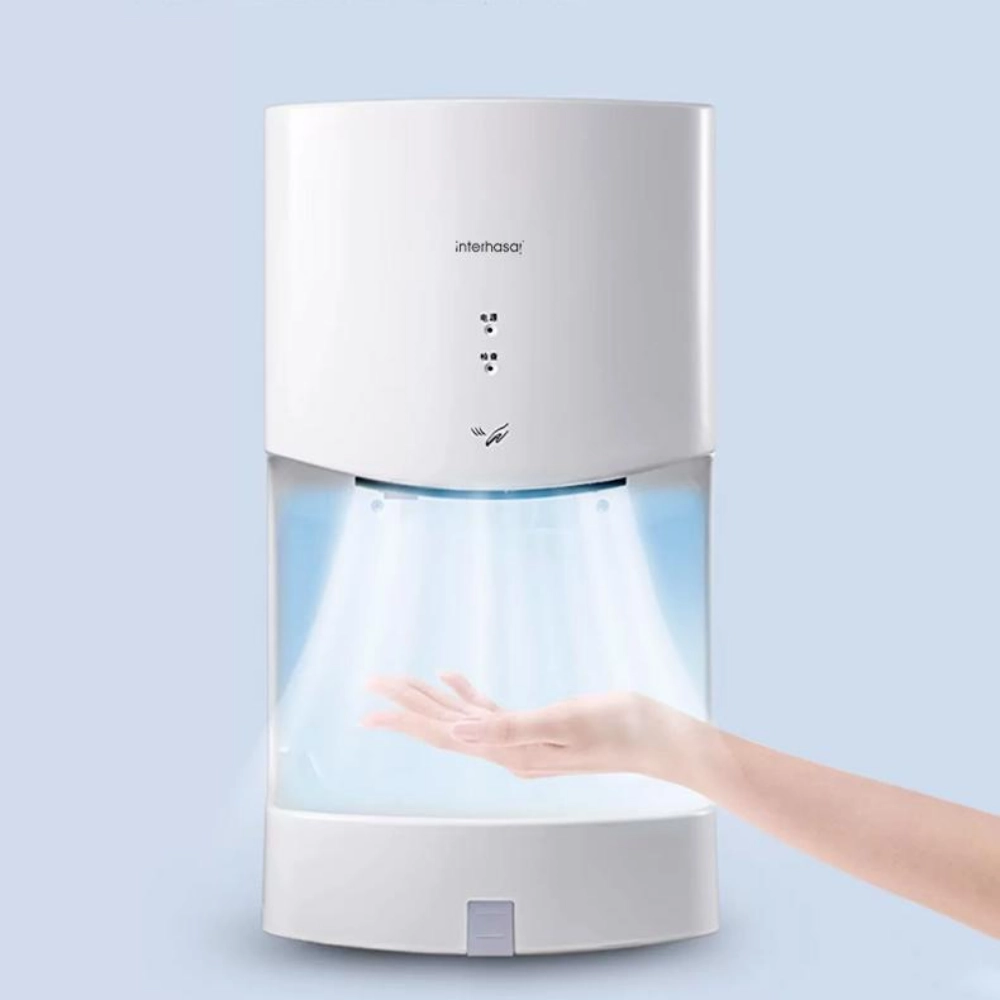
Choose hand dryer repair only after diagnosis, safety checks, and a full cost comparison against remaining service life. Repeated faults, unavailable parts, or poor performance may make replacement the more reliable long-term choice.
Document the decision, retain service records, and verify operation during commissioning. Review the Interhasa hand dryer range to compare available models with site requirements and maintenance needs.
It involves diagnosing the symptom, isolating power safely, checking the sensor and airflow path, and following the manufacturer’s service procedure before replacing components.
If a hand dryer not working condition involves burning smells, moisture, damaged wiring, or repeated breaker trips, stop using the unit and arrange a qualified inspection. For simpler symptoms, follow the manufacturer’s troubleshooting instructions.
Compare diagnosis, labor, downtime, energy use, expected remaining life, and hand dryer replacement cost. Automatic hand dryer repair makes sense only when the fault can be corrected safely and the unit is likely to remain reliable.