Meet Us at 140th Canton Fair! Phase 1 Booth:3.1M31 I Phase 2 Booth:10.1 I33-34



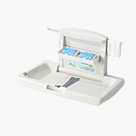


How to Choose a Safe Commercial Baby Changing Station
Choosing a safe commercial baby changing station is essential to ensure infant safety and provide caregivers with peace of mind.
The best options feature durable construction, secure safety straps, and compliance with industry standards.
This guide will help you select a station that meets both safety and functionality requirements.

5 Tips for Choosing a Safe Baby Changing Station
1. Prioritize Structural Durability
A commercial baby changing station should be built to last, as it will endure frequent use in high-traffic areas like restaurants, malls, and public restrooms. Key features to look for include:
- High-Density Polyethylene (HDPE) or Stainless Steel: These materials resist bacteria, are easy to clean, and provide long-lasting durability.
- Strong Hinges and Wall Mounting: Ensure the station has reinforced steel hinges and secure mounting hardware to prevent accidental collapses.
- Weight Capacity: A high-quality unit should support at least 50 pounds to accommodate infants and toddlers safely.

2. Look for Essential Safety Features
Safety is the top priority when selecting a baby changing station for bathrooms. Key features that enhance security include:
Contoured Surface for Added Stability
A slightly concave changing surface helps prevent infants from rolling off, providing an extra layer of safety.
Changing Table Straps for Safety
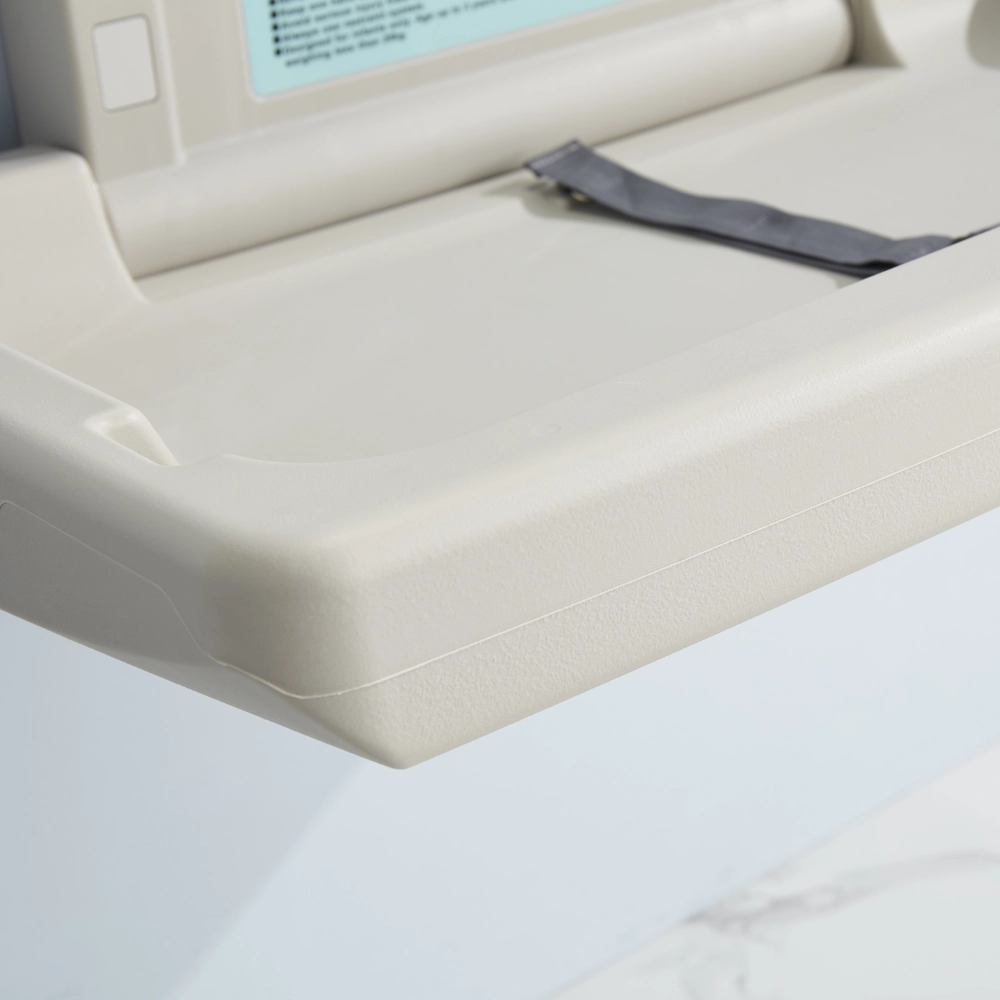
A changing pad with straps or a changing table with a safety strap helps keep babies secure.
Look for:
- Adjustable, one-hand operable straps that fit snugly across the baby.
- Easy-to-clean materials, since straps can accumulate bacteria if not maintained properly.
While changing table straps safety is important, caregivers should always stay attentive, as straps are not a substitute for supervision.
Smooth, Rounded Edges to Prevent Injury
Sharp corners can be dangerous in fast-paced public settings. Choose a unit with rounded edges to reduce injury risks.
3. Ensure ADA and Industry Compliance
A commercial baby changing station must comply with safety regulations, including:
- ADA Compliance: The station should be accessible to individuals with disabilities and meet the 48-inch reach range requirement.
- ASTM & EN Standards: Look for certifications that confirm the unit meets safety and durability standards.
- Weight and Load Testing: High-quality stations are tested for durability under heavy loads to prevent breakage.
4. Choose a Wall-Mounted or Countertop Model Based on Space
Depending on the restroom layout, you may choose between:
- Wall-mounted stations: Ideal for small restrooms, these foldable models save space.
- Countertop changing stations: A great option for larger, dedicated changing areas.
Ensure that the selected model allows for at least 30 inches of clear floor space in front for accessibility.
5. Consider Maintenance and Hygiene
Public baby changing stations must be easy to clean to prevent germ buildup. Look for:
- Antimicrobial surfaces to reduce bacteria growth.
- Easy-to-wipe materials for quick sanitation between uses.
- Built-in liner dispensers provide a protective barrier between the baby and the changing surface.
Commercial Baby Changing Station: Conclusion
A safe commercial baby changing station should be durable, hygienic, and compliant with industry standards.
Features like a contoured surface, changing table straps for safety, and ADA compliance help ensure the best experience for caregivers and infants.
Investing in a well-designed station enhances convenience while maintaining the highest safety standards.
Resources:
Top 3 Safety Features for Choosing a Baby Changing Station