Meet Us at 139th Canton Fair! Phase 1 Booth: 3.1L38 | Phase 2 Booth: 10.1i33-34





How Touchless Technology is Changing Public Restroom Hygiene
Quick Answer
Touchless restroom technology is the core standard for modern hygiene. Key systems include sensor-activated soap dispensers, faucets, hand dryers, and toilet flushers. These tools prevent cross-contamination by eliminating physical contact. Odor sensors detect ammonia and hydrogen sulfide to trigger alerts. Interhasa, a self-owned factory, manufactures and exports this commercial bathroom equipment globally.
Nowadays, cleanliness is more crucial than ever, particularly in public and private settings where sensitive areas like restrooms and lavatories are present. The growing emphasis on hygiene raises questions about hand-washing routines. Because of the recent global COVID outbreaks, which have increased awareness of health and hygiene issues, there is a dramatic increase in the need for cleaner, safer public restrooms. This blog explores how advances in sustainability and hygienic public restrooms are creating new standards.
Touchless Dispensers of Soap
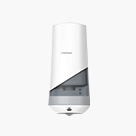
Dispensing antibacterial soap, touchless soap dispensers help sanitise hands, but they are not impervious to viruses and illnesses. Consequently, if you purchase a touchless soap dispenser, soiled and contaminated hands won’t be coming into contact with the soap dispenser and spreading disease.
Hand driers
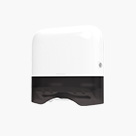
Hand dryers with sensors can be used as a different to traditional paper towel suppliers. Modern motion sensors allow the hands-free or touchless method of hand dryers. A sensor recognizes the user’s presence and initiates the airflow when they place their hands inside or beneath the dryer.
Clean systems
Hands-free toilet flushing systems are also possible. Sensor-activated flush mechanisms allow users to flush the toilet without ever touching the button. Few touchless flush systems are engineered to identify the necessary flush, regardless of volume, based on the user’s hand gestures.
Faucets without Touch
The environmental effects of touchless and automated hand-washing faucets are significant. They can prevent water loss from costing your business thousands of dollars annually by starting the water flow when the motion sensor detects movement and stopping it when it stops.
Sanitised containers
A foot pedal or sensor technology can make sanitary bins hands-free or touchless. By stepping on the foot pedal, users can open the bid. As an alternative, sensor technology can recognize the user’s hand and open the bin lid accordingly.
Light switches
Installing a touchless bathroom light switch can improve convenience, hygiene and energy efficiency. Touchless light switches detect a person’s presence or movement within the lavatory. When no one uses the loo, the sensor senses an entry and automatically turns on or off the lights.
Doors with Touchless Technology
People may not always need to touch a door to open one with a touchless door. They can also improve accessibility and handicap conditions, making the environment more user-friendly.
Sensors for detecting odours
These sensors identify foul odours, such as burnt-out air freshener scent or discharge issues, the presence of ammonia (NH3) and hydrogen sulphide (H2S), which are the causes of foul toilet odours. The sensor signals facility managers when it finds a high level of odour so they can take lead to action.
Menstrual Care:
Maintaining proper feminine hygiene shouldn’t be an afterthought! Maintain compliance with local laws (if any) or enhance the user experience by offering free tampons and sanitary napkins via touch-free menstrual care product dispensers at your establishment.
Seat Cover Dispensers:
Especially in a cubicle, no one wants to touch things more than is necessary when using the restroom. Automate it if you can!
Conclusion
Overall, the primary means of ensuring improved hygiene is through non-touch operations. However, some factors might also promote good hygiene practices, like the automated rinsing cycles of the piping system, whose duration and frequency can be adjusted.