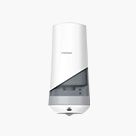
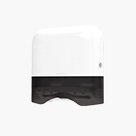

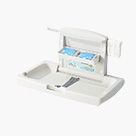


Interhasa Toilet Paper Dispenser E1008
Interhasa Toilet Paper Dispenser Model E1008, durable ABS construction with a compact design, perfect for commercial bathroom settings.
Исследуйте продуктMeet Us at 140th Canton Fair! Phase 1 Booth:3.1M31 I Phase 2 Booth:10.1 I33-34


Для доступного по ADA диспенсера бумажных полотенец часть, управляемая пользователем — такая как датчик, ручка или выход для полотенец — как правило, должна находиться в пределах от 15 до 48 дюймов над чистым полом для беспрепятственного доступа. Сам корпус не является точкой измерения. Стойки, направление подхода и выступы путей циркуляции могут изменить соответствующую требованиям планировку.
На строительных площадках с высокой проходимостью даже незначительная ошибка измерения на этапе черновых работ может привести к провалу проверок и дорогостоящему исправлению стен. Стандарты ADA для доступного дизайна требуют, чтобы рабочие части оставались в пределах определённых диапазонов доступа, помогая обеспечить commercial restrooms remain accessible to all users.
Establishing the correct ADA bathroom accessories heights requires more than just following a blueprint; it demands on-site verification of reach ranges and floor clearances. I also confirm dispenser dimensions after tile installation because finished floor height often changes from the original layout, potentially pushing a fixture out of compliance. Selecting a properly designed paper dispenser is the first step toward a functional, code-compliant environment.
The foundational standard for a forward approach requires the unit’s operable part to sit no lower than 15 inches and no higher than 48 inches above the finished floor. These measurements ensure that any user, including those in wheelchairs, can effectively access hygiene equipment without excessive leaning or stretching. This range is a strict technical limit designed to accommodate the maximum vertical reach range of a seated individual.
Не используйте одну высоту монтажа для каждой стены. Сначала определите, приближается ли пользователь спереди или сбоку, затем измерьте любое препятствие. Согласно стандартам ADA 2010 года, беспрепятственный верхний доступ составляет максимум 48 дюймов. Затруднённый доступ вперёд может быть уменьшен до 44 дюймов, когда препятствие имеет глубину более 20 и до 25 дюймов. Затруднённый боковой доступ может быть уменьшен до 46 дюймов, когда глубина доступа превышает 10 и составляет до 24 дюймов. Подтвердите полные условия в разделе 308.

| Условие установки | Требование | Правильная точка измерения | Распространённая ошибка | Официальное основание |
|---|---|---|---|---|
| Беспрепятственный доступ вперёд | Рабочие части: 15–48 дюймов над чистым полом | Самая высокая часть, которой должен управлять пользователь, такая как датчик, рычаг или точка выдачи | Измерение до верха корпуса или использование правила для держателя туалетной бумаги | 2010 ADA §308.2.1, 309.3 |
| Затруднённый доступ вперёд | Максимум 48 дюймов, когда глубина доступа не более 20 дюймов; максимум 44 дюйма, когда глубина более 20 дюймов и не более 25 дюймов | Рабочая часть, измеренная с проверкой глубины препятствия и подхода | Применение 48 дюймов без проверки стойки или глубины препятствия | 2010 ADA §308.2.2 |
| Беспрепятственный боковой доступ | Рабочие части: 15–48 дюймов над чистым полом | Самая высокая рабочая часть при допустимом боковом подходе | Использование прежнего максимума 54 дюйма | 2010 ADA §308.3.1, 309.3 |
| Затруднённый боковой доступ | Максимум 48 дюймов, когда глубина доступа не более 10 дюймов; максимум 46 дюймов, когда глубина более 10 дюймов и не более 24 дюймов, при высоте препятствия не более 34 дюймов | Рабочая часть плюс высота и глубина препятствия | Проверка высоты, но не размеров препятствия | 2010 ADA §308.3.2 |
| Свободное пространство пола | Обеспечьте не менее 30 × 48 дюймов и расположите его для требуемого подхода | Площадь чистого пола, обслуживающая диспенсер | Допущение, что контейнеры, двери или другие элементы блокируют подход | 2010 ADA §305, 309.2 |
| Операция | Использование одной рукой, без плотного захвата, сжатия или скручивания; усилие активации не более 5 фунт-сил | Ручка, рычаг, кнопка, датчик или другой рабочий компонент | Проверка только высоты монтажа | 2010 ADA §309.4 |
For coordinated accessible washrooms, the dispenser layout should be checked together with grab bars, door swings, lavatories and waste bins.
Operating Mechanism Requirements
Compliance extends beyond the mounting brackets; the internal mechanism must also meet strict ADA paper towel dispenser requirements. The unit must be operable with one hand and without any need for tight grasping, pinching, or twisting of the wrist. Many older, manual-crank dispensers fail this standard because they require significant manual dexterity to retrieve the paper.

A manual dispenser must require no more than 5 pounds of operating force. This limit ensures the fixture is usable by those with limited mobility, helping satisfy ADA manual dexterity requirements. I often recommend sensor-activated models for high-traffic zones because they eliminate physical force requirements entirely. Regular maintenance checkups are essential to ensure that manual pull-tension hasn’t increased due to mechanical wear or internal paper jams.
Interhasa Toilet Paper Dispenser Model E1008, durable ABS construction with a compact design, perfect for commercial bathroom settings.
Исследуйте продукт
Even a perfectly mounted unit is non-compliant if a wheelchair user cannot physically maneuver into the correct ADA paper towel dispenser location. The floor area must be level and maintained without permanent or temporary obstructions that would prevent a forward or parallel approach to the fixture. Proper planning requires coordinating the placement of trash receptacles so they do not conflict with the clear access route.
The ADA requires a clear floor space of at least 30 inches by 48 inches centered on the dispenser. Guidance from ADA Compliance Inspections also highlights the importance of maintaining accessible paper towel dispensers within the required reach ranges to help avoid common compliance issues. One common field mistake is failing to account for the swing of the stall door, which can often encroach on this mandatory clearance footprint. I always recommend installers mark this 30×48 rectangle on the subfloor during the rough-in stage to verify that all subsequent partitions respect the accessibility boundary.
Mounting a dispenser over a vanity or a trash receptacle changes the user’s effective reach capability, requiring a lower installation point. This reach-over distance is a frequent failure point during final building commissioning if the contractor hasn’t accounted for the depth of the obstruction. As the depth of the counter increases, the maximum ADA toilet paper dispenser height must be adjusted downward to remain accessible.
When an obstruction is between 20 and 25 inches deep, the mounting height must be reduced to 44 inches for a forward reach. If the obstruction is less than 20 inches, the 48-inch limit remains the standard. Professional installers always double-check these depths during the rough-in stage because fixing an over-mounted dispenser after the tile is set is a costly process.
While federal rules provide the baseline, some states may have nuances regarding the placement of bathroom accessories near grab bars. These local regulations often focus on ensuring that one fixture does not block the safe use of another, particularly in critical safety areas like ADA-compliant stalls. It is vital to consult with a local inspector or a certified accessibility specialist to ensure the ADA toilet paper dispenser height complies with all applicable regional variations.
Диспенсеры бумажных полотенец и держатели туалетной бумаги — это не взаимозаменяемые темы. Диспенсер бумажных полотенец рядом с раковиной оценивается в первую очередь по положениям о доступном маршруте, доступе и удобстве использования. Держатели туалетной бумаги рядом с унитазом также имеют требования к расположению, связанные с унитазом и поручнями. Сохраняйте название продукта, схему и цитируемый раздел единообразными на всей странице.
Even when the mounting height is correct, dispensers may still fail ADA inspections because of:
Checking these items before final inspection can help contractors avoid costly rework and project delays.
| Installation Scenario | Recommended Height |
|---|---|
| Standard wall installation | 42–48 in |
| Above a countertop (<20 in deep) | Up to 48 in |
| Above a countertop (20–25 in deep) | Max. 44 in |
| Accessible restroom | 42–44 in preferred |
| High-traffic commercial restroom | 42–48 in |
Although ADA allows a maximum height of 48 inches in most cases, many commercial restroom designers install dispensers at 42–44 inches to provide easier access for a wider range of users.
Измеряйте до самой высокой рабочей части — датчика, рычага, ручки или точки выдачи полотенец, до которой должен дотянуться пользователь — а не автоматически до верха корпуса. Подтвердите направление подхода, глубину препятствия и отметку чистого пола на чертеже проекта.
Проектные команды могут сравнить размеры корпуса и форматы выдачи в ассортименте диспенсеров бумаги Interhasa перед утверждением чертежа черновых работ.
Запросите размеры диспенсера бумаги, шаблоны монтажа и коммерческое предложение.
Посмотреть больше →Mastering the ADA toilet paper dispenser height and reach ranges is a hallmark of professional facility management and quality construction. By integrating these technical standards into the early design and rough-in phases, you ensure a restroom environment that is both legally compliant and operationally efficient. This attention to detail reduces the risk of litigation and ensures that every patron can use the facility with dignity. For high-performance, code-compliant solutions, choose an Interhasa paper dispenser.

The standard paper towel dispenser height from floor is 42 to 48 inches to the highest operable part, ensuring compliance with the 48-inch federal maximum reach limit.
If the counter or obstruction is between 20 and 25 inches deep, the mounting height must be lowered to a maximum of 44 inches to remain compliant with forward-reach standards.
Yes, whether manual or touch-free, the sensor or dispensing point must be within the 15-to-48-inch reach range and have the required clear floor space.