Meet Us at 139th Canton Fair! Phase 1 Booth: 3.1L38 | Phase 2 Booth: 10.1i33-34





How Hot Does a Hair Dryer Get? Hotel & Safety Guide
The humble hair dryer is a staple in nearly every home. It dries hair quickly, helps with styling, and saves time. But have you ever wondered how hot does a hair dryer get or whether that heat could damage your hair? The truth is that a blow dryer can get surprisingly hot—sometimes hot enough to burn a scorch mark into the bedsheet. Understanding the temperature of a hair dryer is key to using it safely and keeping your hair healthy.
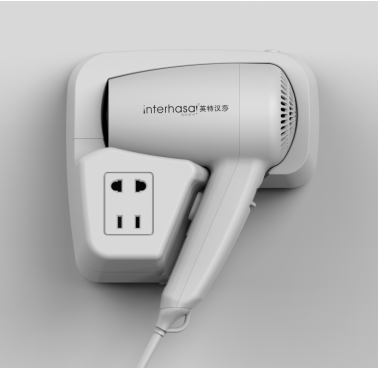
Wall-Mounted Hair Dryer by Trusted OEM Manufacturer >>
For hotels, gyms, pools and care facilities, specify automatic shut-off time, over-temperature protection, switch type, cord retention, noise, rated life, cleaning access, destination voltage/plug, applicable certification and replacement-part support. Request a production sample before approving a private-label order.
Commercial Spec Checklist
Buying for a hotel, gym or care facility? Use the commercial hair dryer specification checklist.
View More →Why Hair Dryer Temperature Measurements Differ
A hair dryer does not have one universal temperature. Readings change with heat setting, airflow, nozzle, distance, ambient conditions and measurement time. Outlet-air temperature may be much higher than the temperature reaching hair 15–20 cm away, so articles should state where and how a value was measured.
How Hot Does a Blow Dryer Get?
The temperature of blow dryers varies by brand, model, and setting, but here’s a general breakdown:
- Low setting: about 40–50°C (104–122°F) – gentle enough for fine or damaged hair.
- Medium setting:60–80°C (140–176°F) – the sweet spot for everyday drying.
- High setting:90–100°C (194–212°F) – common in salon dryers or when you need to dry hair fast.
- Professional dryers: may push up to 120°C (248°F).
Published temperature ranges are not directly comparable unless the test records distance from the outlet, airflow speed, nozzle attachment, ambient temperature and measurement time. Outlet-air temperature can be much higher than the temperature that reaches hair at a safe working distance.
So, how hot can a blow dryer get at maximum? Around 100–120°C in many models. While this helps with speedy drying, prolonged exposure at these levels risks cuticle damage, scalp irritation, and moisture loss.
What Determines the Temp of Hair Dryers?
Several factors affect hair dryer temperature:
- Wattage – The highest wattage blow dryers (up to 2500W) produce more heat and stronger airflow. Wattage indicates electrical input, not a fixed outlet temperature. Motor airflow, heater control, nozzle design and thermal protection determine the measured temperature; use model test data rather than estimating temperature from wattage alone.
Why Wattage Does Not Equal a Fixed Air Temperature
Electrical wattage does not translate into a fixed air temperature. A 2,000W label describes input power; motor airflow, heater control, nozzle design and thermal protection determine the measured temperature. Compare model test data under the same method instead of ranking heat by wattage alone.
- Heating element – Ceramic or tourmaline dryers heat more evenly, while older metal coils can create hot spots.
- Distance from hair – Holding the dryer too close dramatically increases the temp of hair dryer exposure.
- Airflow speed – Higher fan speed disperses heat better, while low airflow can concentrate heat and overheat strands.
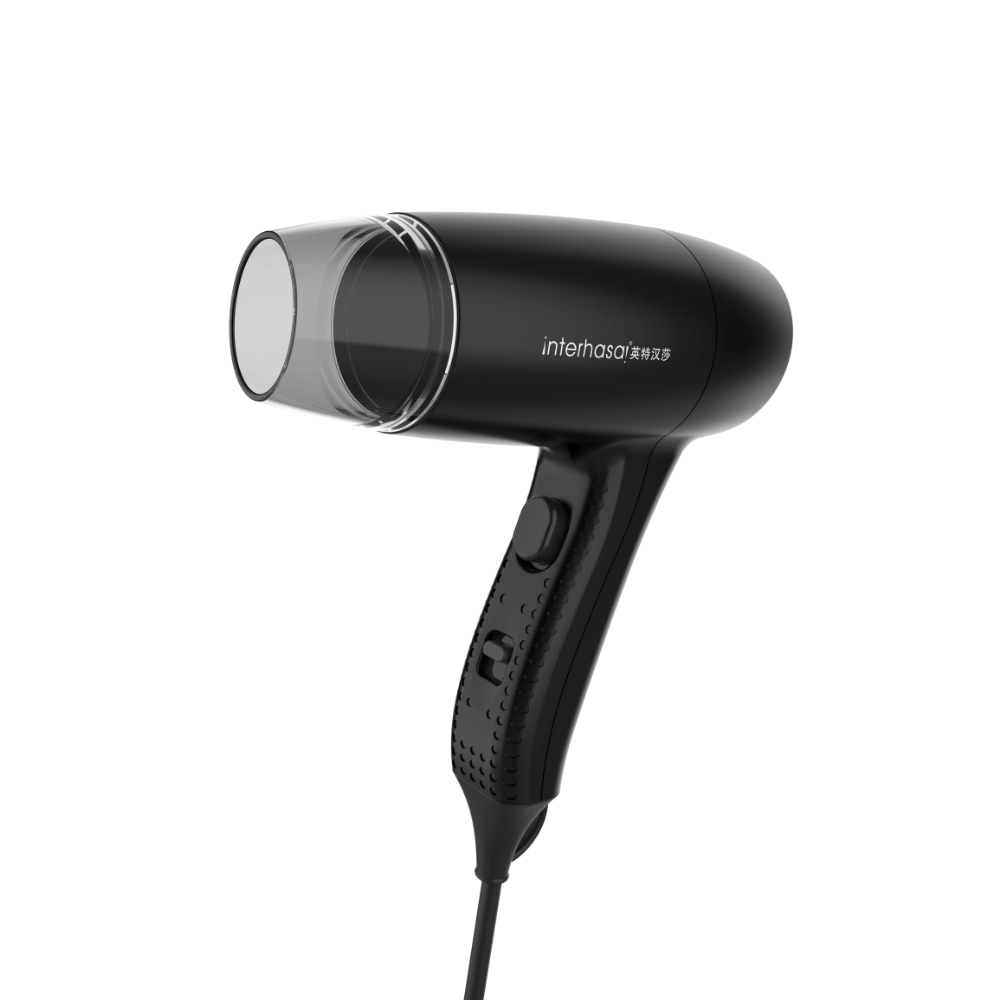
Buy OEM Hair Dryer in Bulk from Factory >>
How Hot Is a Blow Dryer Compared to Hair’s Limit?
Human hair burns at around 233°C (451°F), far hotter than even the most powerful commercial hair dryers reach. Still, you don’t need fire to cause harm—studies show that at 95°C, repeated exposure already lifts and weakens the protective cuticle layer.
That means even if the answer to “how hot are blow dryers” isn’t quite enough to literally burn your hair, it’s still plenty to dry it out or make it brittle if used incorrectly.
Why Does My Blow Dryer Smell Burnt?
If you’ve ever asked, “why does my blow dryer smell burnt?” you’re not alone. A burning smell from hair dryer use often means:
- Dust or hair caught in the vent or filter.
- Overheating due to blocked airflow.
- Internal electrical issues.
Regular hair dryer cleaning—removing lint from the filter—is the simplest fix. If the smell persists, it could signal a failing heating element.
Safe Practices for Blow Drying
To keep your hair healthy while still enjoying quick drying, follow these tips:
- Keep distance: Hold the dryer 15–20 cm (6–8 inches) from your scalp.
- Use medium settings: Most people never need the highest hair dryer temp. Stick to 60–80°C for safety.
- Move the airflow: Avoid aiming heat at one spot for too long.
- Pre-dry with a towel: Removing excess water first reduces exposure to heat.
- Use a heat protectant: Sprays form a shield against thermal damage.
- Invest in tech: Modern dryers with smart temperature sensors monitor and regulate airflow, preventing overheating.
Compare Temperature Factors
Compare the temperature factors before choosing a heat setting.
View More →Commercial Hair Dryer Checklist for Hotels and Care Facilities
For hotels, gyms, pools and care facilities, evaluate more than styling heat. Specify automatic shut-off time, over-temperature protection, on/off switch logic, wall-holder retention, cord length and strain relief, cleaning access, noise, rated voltage and plug, expected service life, applicable market documents and replacement-part support. Approve a production sample before a private-label order.
| Requirement | Why It Matters | Buyer Must Specify | Supplier Evidence | Reject or Clarify If |
|---|---|---|---|---|
| Destination electrical supply | Wrong electrical configuration creates safety and approval risk | Country, voltage, frequency and plug/connection requirement | Model rating, label and approved configuration | The quoted sample does not match the shipment configuration |
| Over-temperature protection | Commercial units face repeated use and blocked-air risks | Required safety standard and abnormal-use scenarios | Applicable test report and protection design description | Only a generic safety statement is provided |
| Automatic shutoff or timer | Controls unattended operation and energy use | Required behaviour and operating scenario | Timed functional demonstration for the exact model | The setting cannot be verified or controlled |
| Holder or wall switch | Affects user sequence and unattended operation | Required holder/switch logic and mounting arrangement | Wiring/functional diagram and production sample | The sample logic differs from the manual |
| Cord and strain relief | Frequent handling can stress the connection | Cord length/interface, retention and replacement requirement | Construction details and relevant test evidence | The cord entry moves, twists or lacks documented control |
| Airflow and heat modes | User comfort depends on control, not wattage alone | Required modes and target use case | Controlled test data with measurement conditions | Temperature is inferred from wattage without a test method |
| Cleaning and intake access | Blocked intake affects performance and serviceability | Housekeeping procedure and service interval objective | Cleaning instructions and access demonstration | Routine cleaning requires destructive disassembly |
| Sound requirement | Hotels and care facilities may have strict comfort expectations | Measurement method, room sensitivity and acceptance target | Test condition and model-specific result | A number is supplied without distance or method |
| Durability and warranty | Bulk buyers need predictable lifecycle support | Duty pattern, warranty, spare parts and response expectation | Life-test basis, warranty scope and spare-part plan | No traceable test or after-sales process exists |
| Branding and packaging | Private-label changes must remain controlled | Logo, color, label, manual and packaging requirements | Approved artwork, golden sample and change-control record | Production substitutions can occur without approval |
The Bottom Line
So, how hot does hair dryer get in real life? Most range between 60–100°C, though some professional models climb higher. That’s hot enough to cause long-term damage if misused, but also safe when paired with smart techniques like proper distance, medium settings, and protective sprays.
In short, the answer to “how hot is a hair dryer?” is: hot enough to dry your hair in minutes, but also hot enough to damage it in seconds. Use it wisely, and you’ll enjoy smooth, shiny results without the risks.