Meet Us at 140th Canton Fair! Phase 1 Booth:3.1M31 I Phase 2 Booth:10.1 I33-34





Principle and Types of Sensor Faucets: A Smart Choice for Hygiene and Efficiency

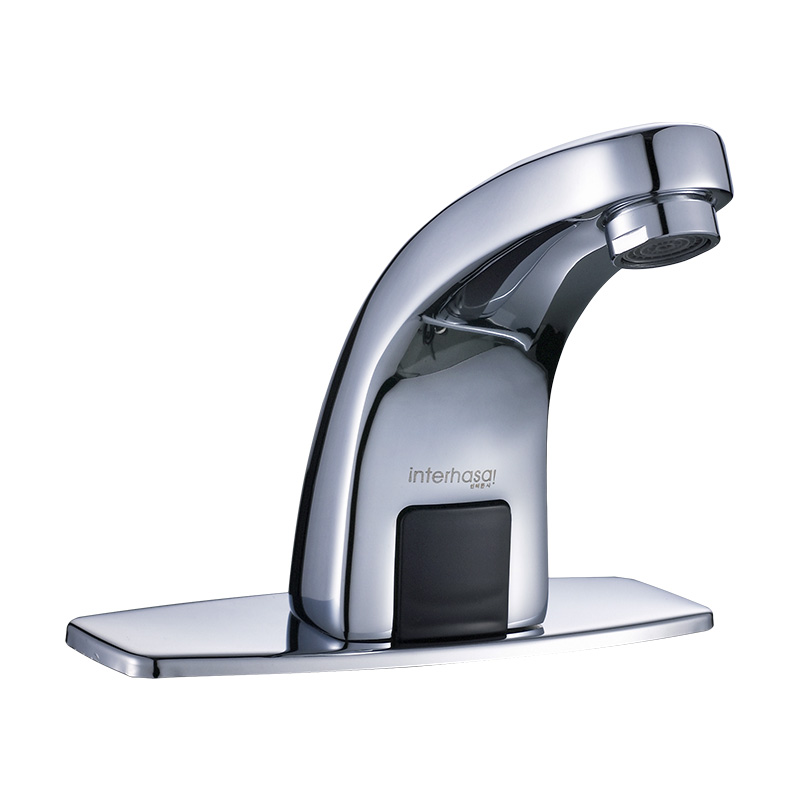
Sensor faucets, or touchless faucets, use motion-sensing technology to automatically activate water flow. These faucets enhance hygiene, reduce water wastage, and provide hands-free convenience, making them ideal for homes, commercial spaces, and public facilities.
This article will explore how sensor faucets work, the types available, and their key benefits. Whether upgrading your bathroom or improving your kitchen’s efficiency, this guide will help you make an informed decision.


How Do Sensor Faucets Work?
Key Principles Behind Sensor Faucets
Unlike traditional faucets that require manual operation, sensor faucets function using infrared or motion-detection technology. Here’s how they work:
- Proximity Sensors – These sensors detect movement or heat from hands, triggering water flow without physical contact.
- Solenoid Valve – When activated by the sensor, this valve controls the water flow, ensuring quick response and efficient use.
- Automatic Shut-off – Once hands are removed, the faucet automatically stops running, preventing water wastage.
- Temperature Control – Many sensor faucets allow users to pre-set water temperature, eliminating the need for manual adjustment.
Types of Sensor Faucets

Sensor faucets come in various styles, each suited for different settings. Let’s explore the most common types:
1. Bathroom Sensor Faucets
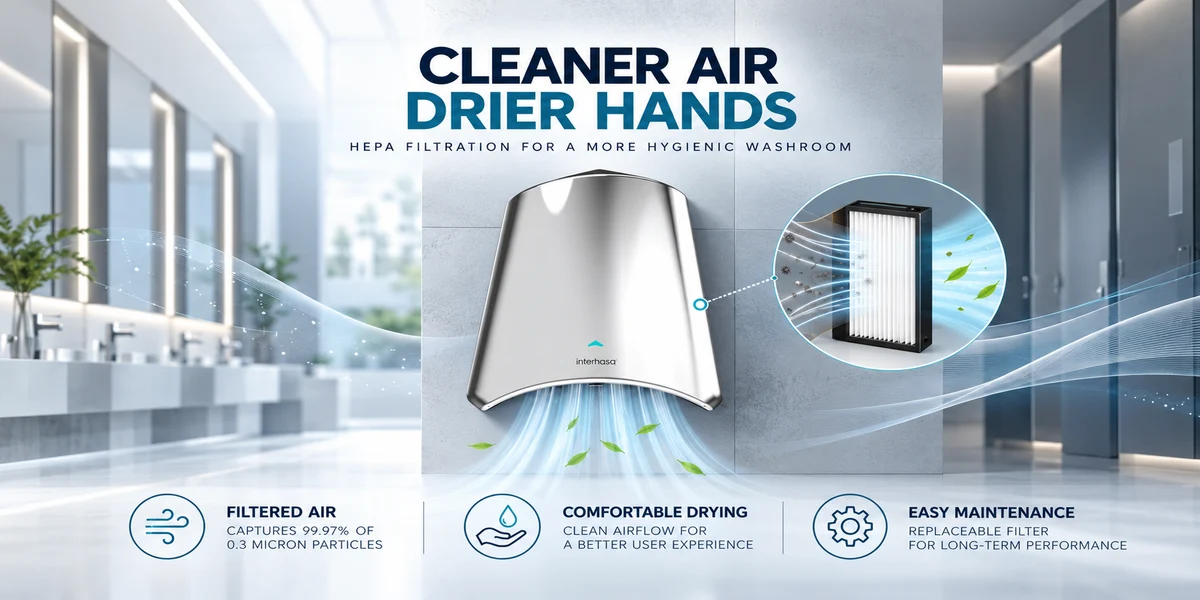
Designed for residential and commercial bathrooms, these faucets improve hygiene by eliminating direct contact with handles. Commonly found in hospitals, office buildings, and shopping malls, they help reduce the spread of bacteria and viruses. For a fully touchless restroom experience, many facilities also incorporate modern hand dryers, which have evolved significantly to enhance efficiency and sanitation.
2. Kitchen Sensor Faucets
Ideal for home kitchens and food preparation areas, these faucets prevent cross-contamination by allowing touch-free washing. Many models come with adjustable water pressure and temperature control, making them practical for cooking, cleaning, and rinsing.
3. Commercial Sensor Faucets
Built for high-traffic areas like hotels, airports, and restaurants, these faucets feature durable stainless-steel finishes and enhanced water efficiency. Some models integrate programmable sensors to adjust water flow based on usage patterns, saving businesses money on water bills.
4. Wall-Mounted Sensor Faucets
These faucets free up counter space, making them perfect for luxury hotels, hospitals, and minimalist modern bathrooms. Their sleek design adds an elegant touch while ensuring hands-free operation.
5. Deck-Mounted Sensor Faucets
Installed directly on countertops or sinks, deck-mounted sensor faucets combine modern aesthetics with easy installation. These are widely used in homes and public restrooms, offering automatic water flow and temperature regulation. To further enhance convenience and hygiene, many users pair these faucets with automatic soap dispensers, which come in various designs to suit different needs.
6. Battery-Powered Sensor Faucets
These faucets use replaceable or rechargeable batteries, making them easy to install in areas without electrical access. They typically last 6 to 12 months per charge and are ideal for residential and small-scale commercial use.
7. AC-Powered Sensor Faucets
AC-powered sensor faucets are designed for high-volume use and ensure continuous operation without battery replacements. These are best for airports, hospitals, and large office buildings where reliability is crucial. Many models include energy-saving modes to optimize power consumption.
Benefits of Sensor Faucets
Why should you consider switching to a sensor faucet? Here are the main advantages:
- Improved Hygiene – Reduces the spread of germs by eliminating the need to touch the faucet.
- Water Conservation – Automatic shut-off prevents water wastage, saving up to 70% more water compared to manual faucets.
- Convenience – Hands-free operation is perfect for multitasking, especially in the kitchen.
- Durability & Low Maintenance – Designed for long-term use with fewer mechanical failures.
- Modern & Stylish Design – Enhances the aesthetics of any space with sleek, touchless technology.
FAQs About Sensor Faucets
- Are sensor faucets difficult to install?
No. Most battery-powered sensor faucets are easy to install using basic tools. AC-powered models may require professional wiring installation.
- Do sensor faucets work with all sinks?
Yes, but check faucet dimensions to ensure compatibility with your sink type (countertop, wall-mounted, or deck-mounted).
- How are sensor faucets powered?
They run on either a battery (AA/AAA or lithium) or an AC power source, depending on the model.
- Can I adjust the water temperature?
Yes, many models include temperature control settings for user preference.
- How do I maintain a sensor faucet?
Regularly clean the sensor to remove dirt and debris. Replace batteries as needed for uninterrupted function. Some models feature self-cleaning filters to prevent clogging.
Final Thoughts
Sensor faucets aren’t just a luxury—they’re necessary in today’s hygiene-conscious world. Whether for home or commercial use, these smart fixtures enhance cleanliness, save water, and offer unparalleled convenience.
If you’re looking for high-quality, durable, stylish sensor faucets, explore our collection at Interhasa—your trusted provider of innovative hygiene solutions.
Resources & References
- EPA Water Conservation Report – https://www.epa.gov/watersense
- CDC Hand Hygiene Guidelines – https://www.cdc.gov/handhygiene